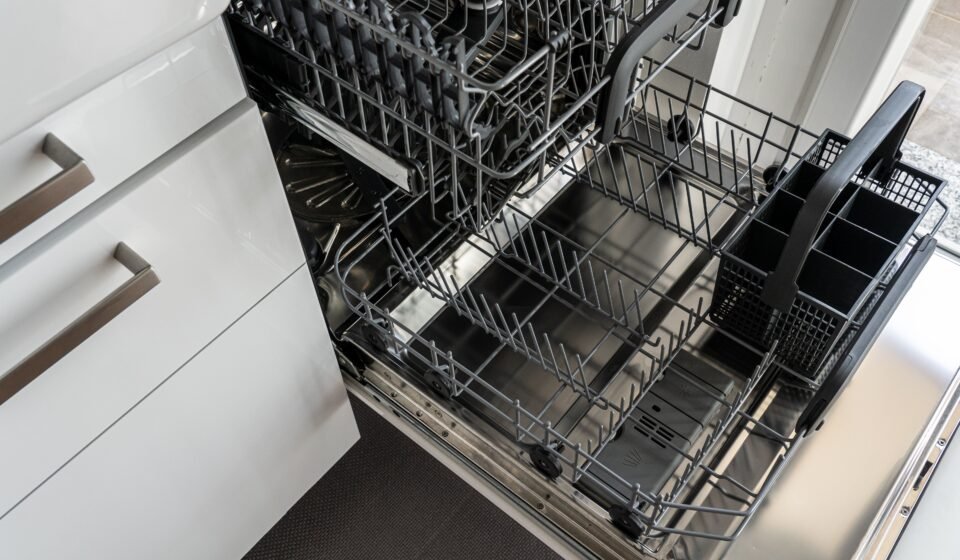

A dishwasher cleans your dishes every day, but the appliance itself also needs regular attention. Food particles, grease, detergent residue, hard-water minerals, and moisture can build up inside the machine, leading to unpleasant smells, cloudy dishes, poor cleaning performance, and drainage problems. Learning how to clean a dishwasher properly does not require complicated equipment or hours of scrubbing. With a few simple steps, you can keep the filter, spray arms, door seals, racks, and interior in good condition.
For most households, a monthly deep clean is a useful routine, although the ideal schedule depends on how often the dishwasher runs, the type of loads you wash, and the hardness of your water. Whirlpool recommends cleaning the dishwasher approximately every 30 days, while filter cleaning may need to happen more frequently in heavily used machines.
Why Should You Clean Your Dishwasher?
It is easy to assume that a dishwasher stays clean because hot water and detergent pass through it during every cycle. In reality, the appliance collects material that the wash cycle removes from your dishes. Food debris can settle around the filter and drain area, while grease and detergent residue can stick to the tub, door, seals, and spray arms.
A dirty dishwasher may develop a noticeable odor. You might also notice dishes coming out with food particles, a gritty feeling, spots, or residue. A clogged filter can restrict water flow and contribute to poor cleaning or drainage. Regular maintenance helps reduce these problems and keeps the dishwasher working as intended.
Cleaning also gives you an opportunity to inspect the appliance for objects that should not be there. Small pieces of broken glass, food labels, toothpicks, seeds, and other debris can collect around the filter or sump. These should be removed carefully rather than being left inside the machine.
You do not need to pre-wash every dish before putting it in the dishwasher. A better habit is to scrape large food particles into the trash and then load the dishes according to your appliance’s instructions. Some manufacturers specifically advise against unnecessary rinsing because it can contribute to detergent-related etching on certain dishes.
What You Need to Clean a Dishwasher
Before starting, gather a few basic supplies. The exact items depend on how dirty the dishwasher is and which cleaning method you choose.
You may need:
- Warm water
- A soft sponge or microfiber cloth
- A soft toothbrush or small soft brush
- White vinegar
- Baking soda
- A dishwasher-safe measuring cup or bowl
- A clean towel
- A dishwasher cleaner, if preferred
Avoid abrasive cleaning pads and wire brushes when cleaning removable filters. They can damage the filter material. A soft brush is generally sufficient for loosening stubborn residue.
It is also important to check the owner’s manual before removing the filter, spray arms, or other components. Dishwasher designs vary considerably. A filter that twists out on one model may have a different removal procedure on another, and some filter systems require little or no routine cleaning.
If your dishwasher has a specific cleaning cycle, maintenance setting, or manufacturer-approved cleaning product, follow those instructions first.
How to Clean a Dishwasher Filter
The filter is one of the most important parts to clean because it catches food particles and prevents debris from circulating through the dishwasher. If you are wondering how to clean a dishwasher that smells bad or leaves food on dishes, the filter is an excellent place to start.
First, empty the dishwasher and remove the bottom rack. Locate the filter at the bottom of the tub. Depending on the model, it may be positioned near the spray arm or toward the back or base of the dishwasher.
Remove the filter according to the instructions for your model. Do not force it. Some filters twist and lift out, while others use a different locking mechanism.
Once removed, rinse the filter under warm running water. Use your fingers to remove loose food particles and a soft brush for residue stuck in the mesh or small openings. If you encounter hard-water deposits, gentle brushing may help loosen them. Do not use a wire brush or harsh scouring pad because these can damage the filter.
While the filter is out, inspect the area underneath it. Look carefully for food debris, labels, seeds, toothpicks, or broken glass. Be cautious when handling anything sharp. Whirlpool specifically recommends checking the sump area for foreign objects when investigating drainage problems.
After cleaning, reinstall the filter exactly as directed by the manufacturer. Make sure it is securely locked into place. Operating a dishwasher without its filter correctly installed can cause damage.
How to Clean the Inside of a Dishwasher
Once the filter is clean, turn your attention to the dishwasher’s interior. Remove the racks if your model allows easy removal, then inspect the bottom and walls for visible food, grease, mineral deposits, or detergent residue.
Start by wiping the interior with a soft sponge or cloth and warm water. Pay particular attention to the bottom front section of the tub, where grime can accumulate. Also wipe around the door and the areas that are easy to overlook.
The door gasket deserves special attention. Food particles and grime can collect in the folds of the rubber seal. Use a damp cloth to gently wipe the entire gasket. Avoid pulling aggressively on the seal or using harsh chemicals unless your manufacturer’s instructions specifically permit them.
Next, inspect the spray arms. The small openings in these arms allow water to reach your dishes. If food particles or mineral deposits block those openings, water distribution can suffer. Clean visible debris carefully using a soft cloth or suitable soft brush. Your owner’s manual can tell you whether the spray arms can be removed for more thorough cleaning.
For mineral deposits or stubborn residue, a dishwasher cleaner designed for your appliance can be useful. Manufacturer guidance also commonly provides vinegar as an option for occasional deep cleaning, but vinegar should not automatically be treated as an everyday dishwasher cleaner. It is acidic, and using it too frequently may damage certain dishwasher components.
How to Clean a Dishwasher With Vinegar and Baking Soda
Vinegar and baking soda are popular household options for freshening a dishwasher. However, they should be used separately rather than mixed together in the same cleaning step.
Start with an empty dishwasher. Clean the filter and remove any visible debris before running the cleaning cycle.
For the vinegar step, Whirlpool recommends placing 2 cups, or approximately 500 mL, of white vinegar in a glass or dishwasher-safe measuring cup and placing it upright on the lower rack. Run a normal cycle without detergent and, where applicable, with the heated drying option turned off.
After the vinegar cycle has finished, baking soda can be used as a separate step. Whirlpool’s cleaning guidance recommends sprinkling 1 cup of baking soda across the bottom of the empty dishwasher and running a hot water cycle.
Do not combine vinegar and baking soda in the dishwasher at the same time. They react with each other, reducing the useful properties of both ingredients. More importantly, always check your dishwasher’s care instructions before using either household ingredient.
Vinegar is best treated as an occasional deep-cleaning option rather than something to use every week. Because vinegar is acidic, frequent use may be unsuitable for some appliances or components. A manufacturer-approved dishwasher cleaner may be a better choice for routine maintenance.
How Often Should You Clean a Dishwasher?
The right cleaning schedule depends on your household. A dishwasher used every day by a large family will generally collect debris faster than one used only a few times per week.
A practical schedule looks like this:
After each load: Scrape large food particles from dishes and check the bottom of the dishwasher for obvious debris.
Every few weeks: Inspect the filter if you notice odors, food residue, or declining cleaning performance.
About once a month: Perform a more complete cleaning of the filter, interior, door gasket, and other accessible areas. Manufacturer guidance commonly recommends approximately monthly dishwasher cleaning.
As needed: Clean mineral deposits, stains, or unusual buildup when you notice them.
Hard water can make deposits appear more quickly. If your water contains a high level of minerals, you may need to pay closer attention to buildup and use a cleaner designed for dishwasher maintenance. Whirlpool notes that extremely hard water can contribute to mineral deposits and cleaning difficulties.
A bad smell, visible soil on the filter, gritty dishes, or a decline in cleaning performance are useful signs that your dishwasher needs attention.
How to Prevent a Dishwasher From Getting Dirty
Knowing how to clean a dishwasher is useful, but prevention can make the job much easier. Start by scraping large pieces of food from plates before loading them. There is usually no need to thoroughly rinse every dish.
Do not overload the racks. Dishes need sufficient space for water and detergent to reach their surfaces. Keep large plates, pans, or utensils from blocking the spray arms.
Check the bottom of the dishwasher periodically. If you see food scraps or other debris, remove them rather than allowing them to circulate during another cycle.
If you have a partially loaded dishwasher that will sit for a while, some models offer a rinse or hold cycle. This can help reduce odor buildup when a full wash cannot be run immediately.
After a cleaning cycle, leaving the dishwasher door slightly ajar can help the interior dry and allow air to circulate. This can be especially useful if your dishwasher tends to remain damp between loads.
Finally, use the correct detergent and amount recommended for your dishwasher. Too much detergent can contribute to residue, while the wrong detergent can create excessive suds or other problems. Always follow the appliance and detergent manufacturer’s directions.
Common Dishwasher Cleaning Mistakes to Avoid
Even a simple cleaning routine can go wrong if you use the wrong products or skip important steps.
One common mistake is using harsh abrasive materials on the filter. A wire brush or aggressive scouring pad can damage the filter mesh. Use warm water and a soft brush instead.
Another mistake is running the dishwasher without correctly reinstalling the filter. The filter needs to be properly seated and locked before the appliance is operated.
Do not pour drain-opening chemicals into the dishwasher. Whirlpool specifically warns that drain-opening chemicals can damage dishwasher components and create safety hazards.
Avoid using vinegar excessively. Although vinegar can be useful for an occasional rinse, it is acidic. Follow your manufacturer’s instructions and consider a dishwasher cleaner formulated specifically for appliance maintenance.
You should also avoid guessing when removing components. If you are unsure how your particular filter or spray arm comes out, check the owner’s manual. Dishwasher designs differ, and forcing a component can turn a simple cleaning task into a repair.
Frequently Asked Questions
How often should you clean a dishwasher?
A general starting point is about once a month. Households that use the dishwasher heavily or have hard water may need to clean it more frequently.
Can you use vinegar to clean a dishwasher?
Many manufacturers provide vinegar as an occasional cleaning option. Whirlpool recommends 2 cups of white vinegar in a dishwasher-safe container during a cleaning cycle. However, vinegar is acidic, so frequent use may damage some components. Always check your model’s instructions.
Can you use baking soda in a dishwasher?
Baking soda can be used as a separate cleaning step after a vinegar cycle. Whirlpool recommends sprinkling 1 cup of baking soda in the bottom of an empty dishwasher and running a hot water cycle.
Why does my dishwasher smell bad?
Food particles, debris, residue, and moisture can contribute to unpleasant odors. Cleaning the filter, drain area, spray arms, interior, and door gasket can help address common sources of smells.
How do I clean a dishwasher filter?
Remove the filter according to your model’s instructions, rinse it under warm water, and gently brush away stubborn residue with a soft brush. Reinstall it securely before operating the dishwasher.
Can I run a dishwasher without its filter?
You should not operate a dishwasher without properly installing its required filters. A filter that is not seated or locked correctly can create problems and may damage the appliance.
Final Thoughts
Learning how to clean a dishwasher is mostly about developing a simple routine. Start with the filter, remove visible debris, wipe the interior and door gasket, check the spray arms, and occasionally run an appropriate cleaning cycle. For many households, a monthly deep clean provides a practical maintenance schedule, while quick checks between loads help prevent buildup.
If you choose vinegar and baking soda, use them as separate steps and avoid excessive vinegar use. A dishwasher-specific cleaner is another option, particularly when you are dealing with persistent mineral deposits or buildup.
Most importantly, follow the owner’s manual for your specific appliance. Filters, spray arms, cleaning cycles, and recommended products vary between models. With regular care and a few minutes of maintenance, your dishwasher can stay fresher, drain more effectively, and continue delivering cleaner dishes.