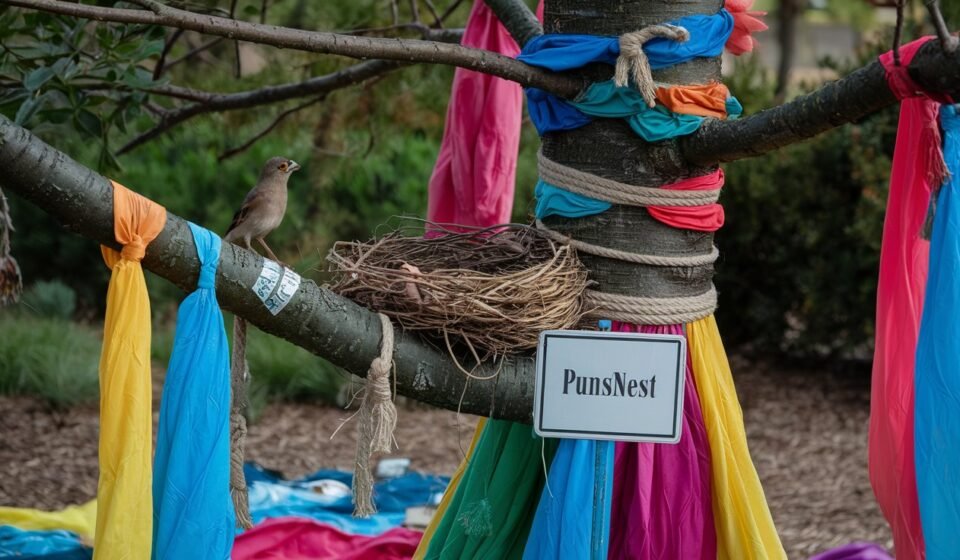

Punsnest is a distinctive term that immediately suggests humor, clever language, and a collection of playful ideas. The name combines the word “puns” with “nest,” creating the impression of a place where wordplay can gather and grow. Depending on where you encounter it, punsnest may refer to an online platform, content project, social media identity, community, or another creative use of the name.
Because the term can be interpreted in different ways, understanding its context is important. A search for punsnest may come from someone looking for jokes, funny captions, clever phrases, wordplay, or information about a particular online destination. This guide covers the meaning behind the name, the appeal of puns, different forms of wordplay, possible uses, online safety considerations, and frequently asked questions.
What Is Punsnest?
The word punsnest is best understood as a creative compound built around the concept of puns. The word “pun” describes a form of wordplay that uses different meanings, sounds, spellings, or interpretations of words to create humor. The word “nest” can suggest a home, collection, or place where something comes together.
Put those ideas together and punsnest naturally sounds like a home for jokes and wordplay.
However, punsnest does not necessarily have one fixed definition. Creative names are often used by websites, online communities, social accounts, content creators, and personal projects. The same or a similar name may also appear in different contexts.
This is why context matters when searching for the term. If you discovered punsnest through a particular website, advertisement, social media post, or search result, the information connected with that specific source will provide a more accurate explanation than the name alone.
The general idea behind the word remains easy to understand. It represents a space where people can discover or create humorous language.
Why People Enjoy Puns and Wordplay
Puns have a unique place in humor because they make the audience interact with language. A traditional joke may provide a setup and punchline, while a pun often allows the reader to discover the punchline by recognizing a second meaning.
That small moment of discovery can make a pun particularly satisfying.
For example, consider the phrase “I wondered why the baseball was getting bigger. Then it hit me.” The final words have both a literal and figurative meaning. The joke works because the audience first understands “hit me” as an expression of realization and then connects it with a baseball physically hitting someone.
This type of wordplay is simple, but it demonstrates why puns remain effective.
Puns also work well in digital communication. A short phrase can be used as a social media caption, comment, headline, meme, text message, or promotional slogan. People can understand and share the joke without needing a lengthy explanation.
Another advantage is versatility. Puns can be created around almost any topic, including food, animals, technology, sports, school, travel, work, relationships, and popular culture.
That flexibility gives a concept such as punsnest plenty of creative possibilities.
Different Types of Puns You Should Know
Understanding different types of wordplay can make it easier to appreciate the variety of content that could appear under a name such as punsnest.
Homophone Puns
Homophone puns use words that sound the same or very similar but have different meanings or spellings. They are particularly effective in spoken jokes because the sound creates the connection.
Multiple-Meaning Puns
These puns use a word with two or more meanings. The surrounding sentence allows the audience to recognize both interpretations.
Visual Puns
Visual puns combine an image with a word or phrase. The picture supplies one part of the joke while the language supplies another. This format is especially popular on social media.
Phrase-Based Puns
A familiar expression can be modified to create a joke related to a particular topic. This approach works because the audience already knows the original phrase.
Name Puns
Name-based wordplay uses people’s names, places, fictional characters, brands, or other proper nouns. These jokes are often customized for specific situations.
A well-developed collection of wordplay could organize these forms into categories, helping readers find exactly the type of humor they want.
How Punsnest Could Be Used for Online Content
A concept centered on puns can support many forms of digital content. People frequently search for humorous phrases when they need a quick caption, joke, greeting, message, or creative idea.
For example, someone posting a picture of a meal might want a food-related pun. Someone sharing a travel photograph might prefer a destination-based joke. A student could use wordplay for a presentation, while a business might need a playful social media caption.
Possible categories for a punsnest-style collection could include:
- Food and restaurant puns
- Animal jokes
- Technology wordplay
- School humor
- Workplace jokes
- Travel captions
- Sports puns
- Holiday humor
- Dad jokes
- Romantic wordplay
- Short one-liners
- Funny social media captions
The key to useful humor content is organization. Visitors should be able to find jokes based on topics, length, tone, or occasion.
A searchable collection could also make the experience more useful. Someone who needs a birthday pun, for example, should not have to browse hundreds of unrelated jokes before finding an appropriate option.
What Makes a Good Pun Work?
Creating a pun is easy. Creating a good pun is more difficult.
Effective wordplay usually depends on clarity, timing, relevance, and surprise. The reader needs to recognize the connection without having to work through a complicated explanation.
A strong pun often starts with a word that has multiple meanings or sounds similar to another word. The writer then places that word into a context where the alternative interpretation becomes unexpected.
Relevance is particularly important. A pun about coffee makes sense in a coffee-related conversation. If the same joke appears without any connection to the subject, it may feel forced.
Originality also helps. People have heard many common jokes, so a new combination of familiar words can be more memorable.
Good puns tend to follow a few simple principles:
- Keep the wording clear.
- Make the connection relevant.
- Avoid unnecessary explanation.
- Use surprise to create humor.
- Consider the audience.
- Choose language that sounds natural.
The best puns often feel effortless. The reader understands the first meaning and then suddenly recognizes the second.
Punsnest, Branding, and Social Media Creativity
Wordplay is not limited to jokes. It can also be useful for branding and digital marketing.
Businesses often use clever phrases to make their names, slogans, campaigns, or social posts easier to remember. A well-chosen pun can give a brand personality and make a simple message more distinctive.
For example, a coffee shop might use “espresso yourself,” while a gardening company could use “we dig it.” These phrases work because they connect an ordinary expression with the business’s subject.
Social media has made this type of creativity even more visible. Short captions are often more effective when they communicate personality quickly. A clever pun can provide humor without requiring a long explanation.
The punsnest concept fits naturally into this environment because it suggests a central place for collecting creative language.
Writers can also use puns in headlines, titles, character names, and fictional dialogue. Teachers may use them to demonstrate vocabulary and multiple meanings. Students can use them to make presentations more memorable.
The important consideration is context. A playful phrase may work well on social media but may not be appropriate for a formal report or professional announcement.
How to Search for Punsnest Safely Online
If your interest in punsnest comes from finding a particular website, it is sensible to verify the destination before using it. A creative name alone does not establish whether a website is official, current, or trustworthy.
First, check what the website actually offers. A legitimate platform should provide enough information for visitors to understand its purpose.
Next, examine basic trust signals. Depending on the service, these may include contact information, privacy policies, terms of use, and clear ownership or organizational information.
Avoid providing sensitive information unless there is a legitimate reason for the request. Entertainment or humor websites generally should not need unnecessary financial information or identity documents.
Be cautious about unexpected downloads and browser warnings. If your browser reports that a page may be dangerous, do not ignore the warning simply because the website has a familiar-sounding name.
It is also useful to check the domain carefully. Similar names can belong to unrelated websites, and search engines can sometimes display outdated pages.
If punsnest refers to a particular online service, always evaluate that specific service based on its current information rather than assuming that every result using the name is connected.
Frequently Asked Questions About Punsnest
What is punsnest?
Punsnest is a creative term combining “puns” and “nest.” It can suggest a collection or home for jokes, wordplay, humorous phrases, and creative language. Its exact meaning depends on the context in which it is used.
Is punsnest an official word?
Punsnest is not generally treated as a standard dictionary word. It appears to function primarily as a creative name or compound term.
What is the meaning of a pun?
A pun is wordplay that uses multiple meanings, similar sounds, spelling, or other features of language to create humor or an unexpected connection.
Why are puns popular?
Puns are short, accessible, and easy to share. They can make ordinary phrases more memorable and give readers a quick moment of surprise.
Where can people use puns?
Puns can be used in conversations, social media captions, advertising, headlines, greeting cards, entertainment, classroom activities, and creative writing.
How can I create a good pun?
Start with a word that has multiple meanings or sounds similar to another word. Connect it naturally to your subject, keep the wording concise, and make sure the joke is easy for your intended audience to understand.
Final Thoughts About Punsnest
Punsnest is a memorable term because it immediately suggests a playful collection of language. Whether you encounter it as an online name, creative project, social identity, or search term, its connection with puns makes the concept easy to recognize.
The popularity of wordplay comes from its simplicity. A few carefully chosen words can create humor, surprise, and personality. Puns can make a social media caption more engaging, help a business create a memorable slogan, or simply make an everyday conversation more entertaining.
If you are searching for a specific punsnest website or service, remember that the name alone does not identify one universal platform. Check the exact domain, understand what the site offers, and use standard online safety practices before providing personal information.
At its core, punsnest represents an enjoyable idea: a place where language can be playful. Puns demonstrate how flexible words can be and how a familiar phrase can take on an entirely different meaning with a small creative change. That is why wordplay continues to attract readers, writers, brands, and social media users, and why names built around the idea can remain memorable.