
Ryokan: A Complete Guide to Traditional Japanese Inns
A ryokan is a traditional Japanese inn that offers travelers a chance to experience Japanese culture, hospitality, food, and relaxation in a distinctive setting. Unlike a conventional hotel, a ryokan often features tatami-mat flooring, futon bedding, Japanese-style bathing facilities, seasonal meals, and carefully considered service. Some properties are simple family-run inns, while others are luxurious retreats with private hot spring baths and spectacular mountain or garden views.
For visitors planning a trip to Japan, staying at a ryokan can be one of the most memorable parts of the journey. It is an opportunity to slow down, enjoy regional cuisine, appreciate traditional architecture, and experience a different approach to comfort. Whether you are visiting Japan for the first time, planning a romantic getaway, or looking for a relaxing break from city sightseeing, understanding how ryokan work will help you choose the right place and make the most of your stay.
What Is a Ryokan?
A ryokan is a Japanese-style inn designed around traditional accommodation, hospitality, and often regional dining. These establishments can be found throughout Japan, from busy cities to quiet countryside villages and famous hot spring destinations. Some have only a handful of guest rooms, while others operate on a much larger scale with restaurants, landscaped gardens, lounges, and extensive bathing facilities.
The ryokan experience is closely associated with omotenashi, a Japanese approach to thoughtful hospitality that emphasizes anticipating guests’ needs and making them feel welcome. The details vary from one property to another, but service often includes a personal welcome, an explanation of the facilities, assistance with meals, and guidance on local customs.
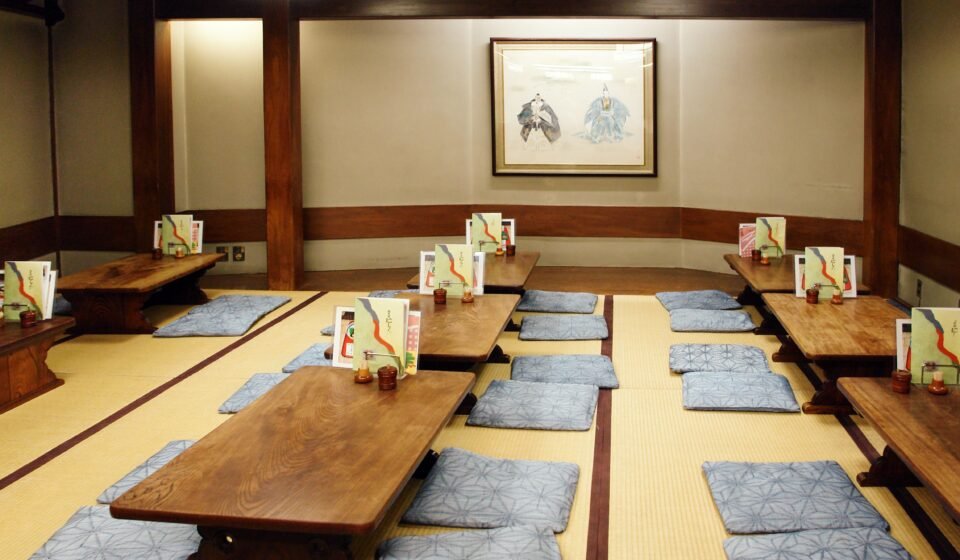
A traditional ryokan may feel quite different from a Western-style hotel. Instead of a large bed and a standard desk, you might find a low table, floor cushions, sliding doors, and a view of a Japanese garden. Staff may prepare futon bedding in the evening, and meals may be served in your room or a dedicated dining area.
Not every ryokan is completely traditional. Many modern properties combine Japanese design with Western-style beds, private bathrooms, contemporary amenities, and international booking services. This variety makes ryokan suitable for different budgets and travel preferences.
The key difference is the overall experience. A ryokan is often more than a place to sleep. It provides an introduction to Japanese hospitality, design, food, and daily customs in one setting.
What to Expect Inside a Traditional Ryokan Room
One of the first things visitors notice about a traditional ryokan is the simplicity of the room. Rather than filling the space with furniture, the design often focuses on natural materials, open floor space, soft lighting, and views of the surrounding landscape.
Tatami flooring is one of the most recognizable features. These traditional floor coverings are made with woven material and provide a comfortable surface for sitting or sleeping. Guests should avoid wearing outdoor shoes on tatami because the flooring requires careful treatment. Some inns provide indoor slippers for areas where they are appropriate, but slippers are generally removed before stepping onto tatami.
Futon bedding is another familiar element. A Japanese futon is a mattress-style bedding set placed directly on the tatami floor, usually with a pillow and duvet. At some traditional properties, staff prepare the futon while guests are having dinner. In the morning, the bedding may be folded and stored to make the room available for other activities during the day.
Many rooms also include a low table, floor cushions, tea-making facilities, and a yukata, a casual cotton robe that guests can wear around the property when permitted. Seasonal decorations, flowers, calligraphy, or garden views may add to the atmosphere without making the room feel crowded.
However, travelers who prefer a conventional bed do not necessarily need to avoid ryokan. Many properties now offer Western-style beds or mixed Japanese and Western rooms. When booking, check photographs and room descriptions carefully so you know what to expect.
Private bathrooms are also not universal. Some rooms have en-suite facilities, while others rely on shared bathing areas. Confirm this detail before making a reservation, especially if privacy or accessibility is important to you.
Ryokan Food: Kaiseki Meals and Local Japanese Cuisine
Food is a major attraction of many ryokan stays. Depending on the property and booking plan, guests may enjoy a traditional Japanese dinner, breakfast, or a more elaborate multi-course dining experience known as kaiseki.
Kaiseki meals emphasize presentation, balance, seasonality, and the character of local ingredients. Rather than relying on one large main dish, a meal may include several small courses featuring vegetables, seafood, tofu, rice, soup, pickles, and regional specialties. The exact menu depends on the season, location, chef, and style of the inn.
For example, a ryokan near the coast may feature freshly caught seafood, while an inn in a mountainous region might highlight local vegetables, river fish, mushrooms, or regional beef. The dishes are often arranged with care, and the presentation may reflect the time of year.
Breakfast can be an experience in its own right. A traditional Japanese breakfast may include rice, miso soup, grilled fish, vegetables, pickles, and other small dishes. Some properties also offer Western-style options, but this should be confirmed in advance if it matters to you.
Before booking, read the meal-plan details. A room rate may include dinner and breakfast, breakfast only, or accommodation without meals. Ryokan meals often follow set serving times because the dishes require advance preparation. Arriving late without notifying the property could mean missing dinner.
Dietary requirements should be communicated as early as possible. Some inns can accommodate vegetarian diets, allergies, or other food restrictions, but options vary and not every request can be guaranteed. Explain your needs clearly when making the reservation and ask the property to confirm what it can provide.
If food is an important part of your trip, choosing a ryokan with a strong regional dining reputation can make the stay especially rewarding.
Onsen Baths and the Relaxing Ryokan Experience
Many travelers associate ryokan with onsen, the Japanese term for natural hot spring bathing. An onsen ryokan combines traditional accommodation with bathing facilities supplied by geothermal hot spring water. These properties are especially common in Japan’s hot spring resort towns and scenic rural areas.
The facilities can range from a simple communal bath to large indoor and outdoor bathing areas surrounded by trees, rocks, or mountain views. Some higher-end rooms have private baths, and certain properties offer reservable family baths for guests who want to bathe without sharing the space with other visitors.
An onsen is not the same as a swimming pool. Bathing is generally intended for quiet relaxation, and visitors are expected to wash their bodies before entering the shared bath. Towels and personal belongings should be kept out of the bathing water. Follow the signs and instructions provided by the property, as arrangements differ between facilities.
Most traditional communal baths are used without swimsuits, although private facilities and some modern bathing venues may have different rules. If you have tattoos, check the policy before booking. Some properties allow them, while others restrict access to communal baths or offer alternatives such as private bathing.
It is also worth remembering that not every ryokan has a natural hot spring. Some have ordinary Japanese-style communal baths, and others focus on rooms, dining, gardens, or cultural experiences instead.
To enjoy the experience comfortably, arrive with enough time to settle in before dinner. A leisurely bath, a cup of tea, and a seasonal meal can turn a single night into a relaxing break from a busy travel schedule.
Ryokan Etiquette: Important Tips for First-Time Guests
Staying at a ryokan is generally welcoming and straightforward, even for travelers unfamiliar with Japanese customs. A few basic etiquette tips can help you feel comfortable and show respect for the property and its staff.
Remove outdoor shoes at the entrance. Many ryokan have a designated entry area called the genkan. Outdoor shoes are removed here, and indoor slippers may be provided. Follow staff instructions about where slippers can be worn.
Treat tatami flooring carefully. Avoid walking on tatami in outdoor footwear. If the room has slippers, check whether they should be removed before entering the tatami area.
Learn how to use the yukata. A yukata is a casual robe often provided for guests. Staff can explain how to wear it and where it is appropriate. Some ryokan allow guests to wear yukata around the property or in nearby hot spring districts, while others have specific rules.
Respect bathing customs. Wash thoroughly before entering a communal bath, keep towels out of the water, and avoid splashing or making excessive noise. Check the property’s guidance if you are unsure about tattoos or other bathing requirements.
Be punctual for meals. Dinner and breakfast may be served within fixed time windows. Tell the staff if you expect to arrive late or need a different meal time.
Communicate special requests in advance. If you need a particular room arrangement, have mobility concerns, or require dietary accommodations, contact the inn before arrival rather than assuming the request can be handled on the spot.
Check the property’s policies. Some ryokan have quiet hours, specific check-in times, or restrictions on late-night entry. Others are more flexible. Read the booking information and ask questions before your trip.
You do not need to master every Japanese custom before checking in. Staff at many visitor-friendly ryokan are accustomed to international travelers and can explain the important details. Being polite, attentive, and willing to ask questions is usually enough.
How Much Does a Ryokan Stay Cost?
The price of a ryokan varies considerably depending on the destination, season, room type, meals, bathing facilities, and level of service. A modest inn with basic facilities may be relatively affordable, while a luxury property with private onsen baths, elaborate kaiseki dinners, and scenic rooms can cost substantially more.
One important difference from many Western hotel bookings is that traditional ryokan rates are often quoted per person rather than solely per room. Some modern properties use room-based pricing, so always check the rate structure before comparing options.
The booking plan also matters. A rate that includes dinner and breakfast may initially look more expensive than a room-only rate, but it may offer better overall value if you intend to enjoy the inn’s cuisine. On the other hand, travelers who plan to eat at local restaurants may prefer accommodation without included meals.
Several factors can affect the total cost:
- Location: Popular hot spring towns and major tourist destinations can command higher prices.
- Season: Cherry blossom periods, autumn foliage, public holidays, and other busy travel dates can increase demand.
- Room category: Garden views, larger rooms, private baths, and special suites usually cost more.
- Meals: Multi-course dinners and special regional menus can increase the package price.
- Length of stay: Some properties offer different rates for multiple nights, although discounts are not guaranteed.
- Extra services: Drinks, private bathing reservations, transport, and other services may be charged separately.
Before paying, check whether taxes, service charges, meals, and bathing fees are included. Review cancellation conditions and payment requirements as well. If you are traveling on a budget, consider staying one night at a ryokan as a special experience and using more economical accommodation for the rest of your trip.
A carefully chosen mid-range ryokan can provide a memorable traditional stay without requiring the budget of an ultra-luxury retreat.
How to Choose and Book the Best Ryokan in Japan
Choosing the right ryokan starts with deciding what you want from the experience. Some travelers care most about hot spring bathing, while others prioritize food, architecture, peaceful surroundings, or convenient access to sightseeing.
First, choose a destination that fits your itinerary. Ryokan are found across Japan, including in historic towns, mountain regions, coastal areas, and major cities. Hot spring destinations are particularly appealing if bathing and relaxation are priorities. If you are spending most of your time in Tokyo or Kyoto, an urban ryokan may offer traditional design without requiring a major detour.
Next, decide which facilities matter most. Check whether the room has tatami flooring, futon bedding, Western beds, a private bathroom, or an in-room bath. Do not assume every ryokan offers all traditional features. Modern properties vary considerably, and the most comfortable option is the one that matches your needs.
Pay close attention to meal arrangements. If you want a kaiseki dinner, make sure the booking plan includes it. Review dinner and breakfast times, and contact the property about allergies or dietary restrictions before confirming the reservation.
Transport is another important consideration. Some rural inns are a short walk from a station, while others require a bus, taxi, or prearranged shuttle. Confirm the route and any pickup requirements, especially if you are carrying large bags or arriving after dark.
Finally, read recent guest reviews and the official property description. Look for comments about cleanliness, service, meal quality, room comfort, and the accuracy of the listing. Check cancellation terms, arrival times, and whether the staff can communicate in a language you understand.
For a first visit, a ryokan that clearly explains its facilities and welcomes international guests can make the experience easier. Travelers who want a more traditional atmosphere may prefer a smaller inn, while those seeking familiar conveniences may appreciate a modern property with Western beds and private bathrooms.
Is Staying at a Ryokan Worth It?
For many visitors, a ryokan stay is worth considering because it combines several elements of Japanese culture in one experience. Rather than simply checking into a room, guests can enjoy traditional interiors, seasonal cuisine, Japanese hospitality, and, at some properties, hot spring bathing.
It is particularly appealing to couples, cultural travelers, food enthusiasts, and anyone who wants a slower pace during a busy Japan itinerary. A ryokan can also be a meaningful way to celebrate a special occasion or experience a hot spring town beyond a quick daytime visit.
However, it may not suit every travel style. Some traditional rooms have limited furniture, floor-level seating, or shared bathrooms. Meal schedules can be less flexible than those at large hotels, and the total price may be higher when dinner and breakfast are included. Travelers who prioritize late-night activities, maximum independence, or very low accommodation costs may prefer a conventional hotel or guesthouse.
The best approach is to choose a property based on your preferences rather than assuming all ryokan are alike. Read the details, ask questions, and make sure the room and meal arrangements fit your needs.
For a memorable introduction to traditional Japanese accommodation, consider including at least one night at a ryokan in your itinerary. With the right choice, the combination of thoughtful hospitality, peaceful surroundings, and regional food can become one of the highlights of your trip to Japan.
Frequently Asked Questions About Ryokan
What does ryokan mean?
Ryokan refers to a traditional Japanese inn that offers lodging and often features Japanese-style rooms, local meals, and hospitality rooted in Japanese customs.
Do ryokan have private bathrooms?
Some do, but others have shared facilities. Check the room description before booking if a private bathroom is important to you.
Do all ryokan have hot springs?
No. Some feature natural onsen baths, while others have ordinary communal baths or no large bathing facilities.
Do you have to sleep on the floor at a ryokan?
Not always. Traditional rooms often use futon bedding on tatami, but many properties also offer Western-style beds.
Are meals included in a ryokan stay?
It depends on the booking plan. Some rates include dinner and breakfast, while others cover accommodation only. Confirm meal arrangements when reserving.
Is a ryokan suitable for first-time visitors to Japan?
Yes. Many ryokan welcome international guests. Reading the house rules and communicating any needs in advance will help you enjoy the stay.
What should I wear at a ryokan?
Comfortable clothing is suitable for arrival. Many properties provide a yukata for relaxing or dining, but check where it can be worn.
When should I arrive at a ryokan?
Follow the property’s stated check-in time and arrive early enough to enjoy the facilities and any included dinner. Notify the inn if your plans change.