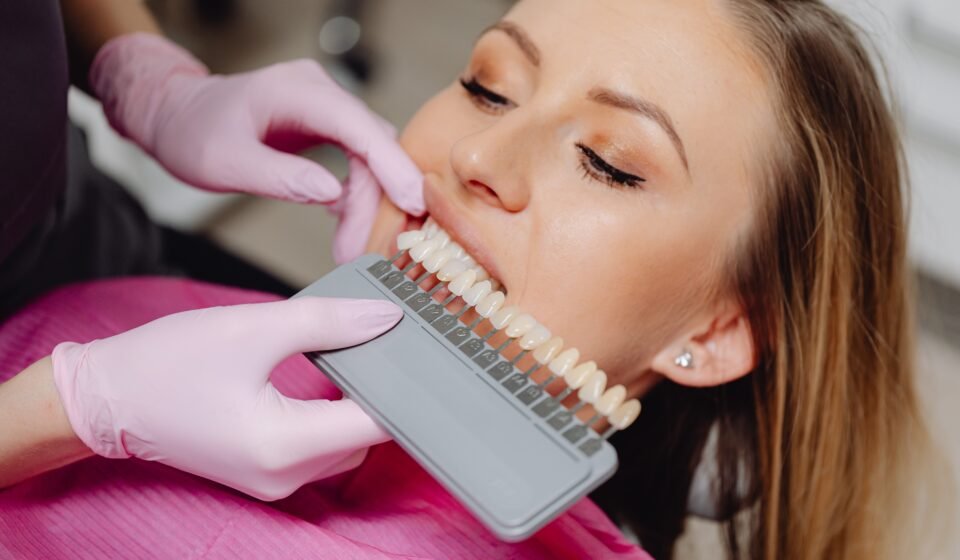

A brighter smile can make teeth look cleaner and more youthful, which is why teeth whitening remains one of the most requested cosmetic dental treatments. Teeth naturally become darker or more yellow over time because of ageing, food and drinks such as coffee and tea, smoking, and changes within the tooth itself. Fortunately, several whitening options are available, ranging from professional treatment at a dental practice to dentist-provided home kits and certain over-the-counter products.
The important point is that whitening is not simply about making teeth as white as possible. A good treatment should consider the existing colour of your teeth, the cause of discoloration, the condition of your teeth and gums, and whether you have fillings, crowns, veneers, or implants. Natural teeth respond to bleaching, but dental restorations generally do not change colour in the same way.
For anyone considering treatment, understanding how whitening works, what results to expect, and how to avoid unnecessary risks can make the process much easier.
What Is Teeth Whitening and How Does It Work?
Teeth whitening is a cosmetic procedure designed to make natural teeth appear lighter. Depending on the method, whitening can remove surface stains, chemically break down darker compounds within the tooth, or combine both approaches.
Professional whitening commonly uses hydrogen peroxide or carbamide peroxide. These ingredients work through chemical reactions that break down coloured compounds responsible for discoloration. Hydrogen peroxide can move through the enamel and dentin, allowing it to affect stains that cannot simply be removed by brushing. Carbamide peroxide also releases hydrogen peroxide, but generally works more gradually.
There are two broad categories of tooth discoloration. Extrinsic stains occur on the outer surface of the teeth and are commonly associated with coffee, tea, red wine, tobacco, and strongly coloured foods. Intrinsic discoloration develops within the tooth and can be associated with ageing, certain medications, dental trauma, developmental conditions, or other causes.
Whitening toothpaste can be useful for removing some surface staining because many whitening toothpastes use gentle abrasives to physically remove deposits from enamel. However, toothpaste generally does not provide the same effect as peroxide-based bleaching when the underlying colour of the tooth needs to be changed. The American Dental Association notes that whitening toothpastes primarily target extrinsic surface stains, while peroxide products can address deeper discoloration.
This distinction matters because the right treatment depends on why the teeth look darker in the first place.
What Are the Main Teeth Whitening Options?
People considering whitening will usually encounter three main approaches: professional in-office treatment, dentist-provided home whitening, and over-the-counter products.
Professional in-office whitening is carried out at a dental practice. A dentist or appropriately registered dental professional assesses the mouth first and protects the gums before applying whitening gel. Because professional treatments can use stronger formulations under controlled conditions, visible changes may occur more quickly than with many home products.
Another popular option is a dentist-provided home whitening kit. The dentist creates or provides trays designed to fit the patient’s teeth, then supplies an appropriate whitening gel and instructions. The patient uses the trays at home for a prescribed period. The NHS says dentist-provided home kits are commonly used over a period of several weeks, allowing the teeth to lighten gradually.
Over-the-counter products include whitening strips, toothpastes, gels, rinses, and other consumer products. Their effectiveness varies depending on the ingredients, concentration, contact time, and type of discoloration being treated. Whitening strips have evidence supporting their ability to lighten teeth, while whitening toothpastes are particularly useful for surface stains.
The safest choice is not necessarily the product promising the fastest result. A suitable treatment should match the condition of the teeth and be used exactly as directed.
How Long Does Teeth Whitening Last?
The duration of whitening results varies from person to person. Teeth whitening is not permanent because natural teeth continue to experience exposure to foods, drinks, tobacco, plaque, and normal ageing after treatment.
The NHS states that, when patients follow their dentist’s advice, whitening results may last around three years. That does not mean everyone’s teeth will remain at exactly the same shade for three years. Lifestyle habits can have a significant effect on how quickly stains return.
People who regularly drink coffee, tea, red wine, or other strongly coloured beverages may notice new staining sooner. Smoking can also contribute to discoloration. Good oral hygiene and regular dental care can help maintain a cleaner appearance.
Maintenance does not necessarily mean repeatedly carrying out aggressive whitening treatments. In many cases, maintaining good brushing habits, attending dental appointments, limiting stain-producing habits, and following professional advice are more sensible than repeatedly using whitening products without guidance.
It is also worth remembering that the goal should be a healthy-looking, natural smile rather than an artificially bright shade. Teeth naturally have different tones, and a person’s final colour depends on enamel, dentin, genetics, age, and previous dental treatment.
Is Teeth Whitening Safe?
When carried out appropriately, whitening is generally considered safe, but it is not completely free of side effects. The two most common problems are temporary tooth sensitivity and irritation of the gums.
Sensitivity can cause discomfort when drinking something cold or eating sweet foods. The American Dental Association identifies temporary sensitivity and gingival irritation as common adverse effects associated with vital tooth whitening. The likelihood can be influenced by factors such as peroxide concentration, treatment duration, and individual sensitivity.
Gum irritation can occur when whitening gel comes into contact with the gums. Poorly fitting trays or incorrect application can increase the chance of irritation. Professional treatment includes measures designed to protect the surrounding tissues.
Using whitening products more frequently or for longer than recommended is not a shortcut to better results. Excessive whitening can increase the risk of sensitivity and irritation, while repeated inappropriate use may contribute to enamel and oral tissue problems.
This is one reason professional assessment is useful before starting treatment. If there is tooth decay, gum disease, significant sensitivity, cracked teeth, or another dental problem, whitening may not be appropriate until the underlying issue has been addressed.
People should also be cautious about DIY whitening methods involving acidic fruit, vinegar, charcoal, abrasive mixtures, or other household ingredients. The ADA reports that evidence for several natural or DIY whitening approaches is limited, while certain abrasive methods may damage tooth surfaces.
Can Fillings, Crowns and Veneers Be Whitened?
One of the most important limitations of teeth whitening is that it primarily changes the colour of natural teeth. Existing dental restorations such as crowns, dentures, implants, and many tooth-coloured fillings do not simply become lighter in response to conventional whitening.
The NHS specifically notes that whitening can only lighten natural teeth and is not recommended as a way to change the colour of crowns, dentures, or implants.
This can create a colour mismatch. For example, if someone has a front crown that was originally matched to the colour of their natural teeth, whitening the natural teeth may make them lighter while the crown remains at its original shade.
For this reason, anyone with visible restorations should discuss whitening with a dentist before treatment. Depending on the circumstances, the dentist may recommend whitening first and then considering whether an existing restoration needs to be replaced or colour matched differently.
Whitening also cannot repair cavities, worn enamel, cracks, or gum problems. A brighter appearance should not be confused with improved dental health. Cosmetic treatment works best when the underlying teeth and gums are already being properly cared for.
Is Teeth Whitening Legal and Safe in the UK?
UK consumers should pay particular attention to who is providing the treatment. The General Dental Council states that tooth whitening is considered the practice of dentistry and that only registered dental professionals can legally provide the treatment. This applies regardless of whether a provider claims to use peroxide-free or low-peroxide products.
UK rules also restrict cosmetic tooth-whitening products containing or releasing between 0.1% and 6% hydrogen peroxide. These products are not supposed to be directly available to consumers and are supplied through dental professionals under the applicable regulations. Products containing or releasing more than 6% hydrogen peroxide are prohibited for cosmetic use under the rules described by the GDC.
The GDC also states that tooth whitening should not be provided by an unregistered person simply because they have completed a short training course. Consumers can therefore protect themselves by checking that the person providing treatment is properly registered.
The NHS similarly recommends obtaining whitening through a dentist or a dental practice and warns that treatments offered through beauty salons or products purchased from questionable sources may be less effective and may harm teeth or gums.
If you are considering professional whitening in the UK, checking the provider’s credentials is an important step before paying for treatment.
Frequently Asked Questions About Teeth Whitening
How quickly does teeth whitening work?
The time depends on the treatment method and the individual’s teeth. Professional in-office whitening can produce noticeable changes in a shorter period, while dentist-provided home kits generally work gradually over several weeks. Over-the-counter products may also require repeated use before a visible difference appears.
Does teeth whitening damage enamel?
Properly used whitening treatments are designed to lighten natural teeth without intentionally removing large amounts of enamel. However, excessive or inappropriate use can increase the risk of sensitivity, irritation, and other dental problems. Following professional instructions is important.
Why do teeth become yellow?
Teeth can become darker because of ageing, thinning or changes in enamel, naturally yellow dentin showing through, staining from coffee and tea, tobacco use, and certain types of intrinsic discoloration. The cause determines which whitening approach is likely to help.
Is whitening toothpaste enough?
Whitening toothpaste can help remove surface stains and improve the appearance of teeth. It generally does not provide the same bleaching effect as peroxide-based whitening for deeper discoloration.
Can sensitive teeth be whitened?
People with sensitive teeth should discuss whitening with a dentist before starting treatment. The dentist can determine why the teeth are sensitive and whether whitening is suitable. Treatment may need to be adjusted depending on the cause and severity of sensitivity.
Can I whiten my teeth if I have crowns or veneers?
You may be able to whiten your natural teeth, but whitening will not normally change the colour of crowns or veneers in the same way. A dentist can assess the existing restorations and explain how whitening could affect the overall appearance.
Is professional whitening better than home whitening?
The answer depends on the person’s goals, dental condition, treatment method, and budget. Professional treatment can provide faster results, while dentist-provided home whitening allows gradual treatment at home. Over-the-counter options can be convenient but vary in effectiveness and suitability.
How can I keep my teeth white after treatment?
Maintain good oral hygiene, attend routine dental appointments, and follow the maintenance instructions provided by your dental professional. Limiting frequent exposure to staining drinks and tobacco can also help preserve the appearance of whitened teeth.
Final Thoughts on Teeth Whitening
Teeth whitening can be an effective way to improve the appearance of a smile, but the most appropriate treatment depends on the reason for discoloration and the condition of the mouth. Professional in-office whitening, dentist-provided home kits, whitening strips, and whitening toothpastes all have different purposes, strengths, limitations, and treatment times.
The most important step is to avoid treating whitening as a one-size-fits-all cosmetic procedure. Natural teeth can respond to bleaching, while crowns, veneers, dentures, implants, and other restorations may not change colour. Existing dental problems should also be assessed before cosmetic treatment begins.
For people in the UK, choosing a properly registered dental professional is particularly important because tooth whitening is regulated as a dental treatment. A professional assessment can help identify the source of discoloration, discuss realistic results, reduce unnecessary sensitivity, and determine which approach is appropriate.
A brighter smile is most useful when it is achieved without compromising oral health. Good daily dental care, sensible whitening habits, and professional guidance can help you pursue a lighter smile while keeping your teeth and gums in good condition.


